Need residential termite treatment in Prosper?
Tell us what you are seeing at home in Prosper. Send a request for an estimate, and a local provider can follow up with options you can compare.
No obligation
Request a termite estimate
Termites feed on the wood that holds your house together. Most of the damage happens out of sight, in walls, floors and crawl spaces. Treatment costs money, but repairs and a lower resale price usually cost much more.
Sloweach Pest Control is a referral service. We do not treat termites. We connect you with independent providers in our network who inspect homes and offer treatment plans. You can request an estimate, compare written quotes, ask plain questions, and decide with no obligation. This page explains the signs, the methods and the price drivers, so you can judge each quote with confidence.
Found mud tubes, tiny wings or soft wood? Do not panic, and do not spray store-bought products on the spot. A professional inspection tells you what you have and how far it has spread.
Request an estimate, and a provider in our network can look at the problem and put a plan in writing.
Termites keep eating through nights and weekends, and they do not take breaks. A small colony can grow for years before anyone notices. Hot, humid summers and heavy rain keep soil damp, and that suits many termite types well. Mild winters mean they rarely slow down much.
A smaller problem usually means a smaller bill. Damage to framing, floors or trim can also be costly to repair and can hurt resale value.
Check these spots first. Look at the garage, the attic edges, the crawl space and the base of exterior walls.
Subterranean termites build thin mud tunnels on foundations, piers and walls. They use them to travel safely from soil to wood. Break one open. Live, pale insects inside are a strong warning sign.
Piles of small, clear wings near windows or doors often mean a swarm. Tiny pellets that look like sand can point to drywood termites.
Tap baseboards, door frames and floor edges. Hollow sounds, bubbling paint or doors that suddenly stick can mean wood is being eaten from within.
The type of termite changes the plan, and often the price. That is why a good inspection comes before any quote.
These live in soil and reach the house through the ground. They are common in warm, damp areas. Treatment usually focuses on the soil around and under the home.
These live inside the wood itself and need no soil contact. Treatment can be targeted to specific areas or cover the whole structure, depending on how far they have spread.
Providers use a few common methods. Some jobs use more than one.
A provider applies a termiticide in the soil around the foundation. Termites that cross it are stopped from reaching the wood. Expect trenching or small drill holes in some areas.
Stations are placed in the ground around the home. Termites carry the bait back to the colony. This approach often takes longer, and the provider will need to check the stations over time.
For a limited problem, a provider may treat infested boards directly. This can cost less, but it only fits small, well-defined areas.
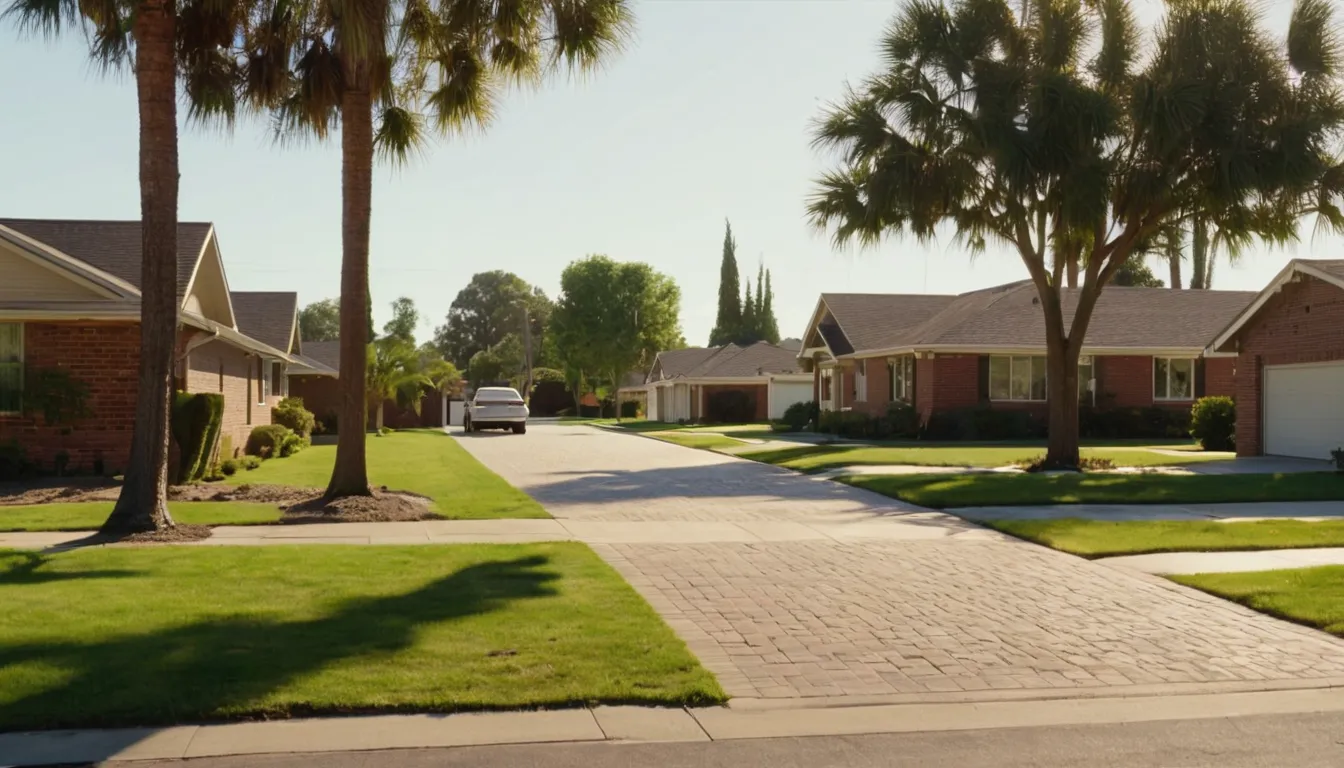
A slab-on-grade ranch home hides its foundation edge, so termites can enter through tiny cracks and plumbing gaps. Older pier-and-beam houses have open crawl spaces that need a close look for tubes and damp wood. Ask each provider how they plan to treat your foundation type.
Buyers and lenders often ask for a termite inspection report when a house changes hands. A clean report helps a sale move along. If a report shows activity, treating it and keeping the paperwork can protect your price. Ask the provider what documents they give you afterward.
Do not pick on price alone. A low number may leave out steps that matter. Compare, then decide.
Quote in writing, and keep each one so you can line them up side by side.
Ask if the provider is licensed in your state. Ask how long the work takes, and how the home should be prepared. Ask what happens if termites return. Plain answers are a good sign.
Treatment is not the end of the story. Keep wood and mulch away from the foundation. Fix leaks and keep gutters clear so water drains away from the house. Schedule any follow-up checks the provider suggests. Keep your paperwork in a safe place for future buyers.
Some policies may cover sudden damage, but many do not cover termites, so check your policy. Providers can often help document damage for a claim.
You do not have to decide on the first visit. Get a few quotes, read them closely and choose what fits your home and budget. Request a callback to check provider availability, or use the request form.
A provider checks the foundation, crawl space, attic edges and wood for live activity and past damage.
You get a plan in writing that lists methods, areas and price.
Liquid barriers, bait stations or spot treatment, matched to the termite type and house.
Many providers offer check-ups or service plans, so ask what each covers.
Prices vary by home size, termite type and method. These are typical U.S. ranges only. Always get a written quote that lists exactly what is included.
| Service | Typical range | Notes |
|---|---|---|
| Termite inspection | $75 – $300 | Some providers apply it toward treatment |
| Spot treatment | $200 – $900 | Fits small, limited problems |
| Bait station system | $1,000 – $3,000 | Needs ongoing checks |
| Liquid soil barrier | $1,200 – $2,500 | Depends on foundation size |
| Whole-structure drywood treatment | $1,500 – $4,000 | Varies with home size and method |
| Annual service plan | $200 – $800 | Compare what each plan covers |
Tell us about the signs you see, and a local provider can follow up.
A provider looks for activity, identifies the type and checks the damage.
Review written quotes side by side, including methods, areas and total price.
Pick the plan you trust, then follow the provider's prep and aftercare steps.
Treating termites early helps prevent structural damage that can lower resale value.
Several written quotes show what drives the price and what each provider includes.
Plain questions get plain answers, so you understand the method before you agree.
Request an estimate with no obligation and decide on your own time.
Tell us what you are seeing at home in Prosper. Send a request for an estimate, and a local provider can follow up with options you can compare.
No obligationMany jobs fall between about $1,000 and $4,000 in the U.S., but price depends on the termite type, home size and method. Compare written quotes to see what each one includes.
Store-bought products rarely reach a whole colony and may only push termites elsewhere in the house. A professional inspection shows how far the problem has spread and which treatment fits your home.
Buyers and lenders often ask for one. Having a report ready can keep a sale on track. If activity is found, treating it and keeping the paperwork can help protect your price.
Tell us what you are seeing at home in Prosper. Send a request for an estimate, and a local provider can follow up with options you can compare.
No obligation